
Calm NEMT software
for scheduling, dispatching and billing
Everything you need to automate scheduling, dispatching, and billing. Simple enough for day one, powerful enough for day one thousand.
Automation
Automate the Work Behind Every Trip
Fill your schedule in seconds, automatically.
Your dispatching handled, without the extra headcount.
Eliminate driver error through automation.
Catch mistakes before they cost you.
Broker integrations
Built into the brokers you already work with.
RoutingBox integrates directly with leading national and regional NEMT brokers — so trip data stays accurate, even on last-minute changes.




50+ integrations
NEMT scheduling software that gives you hours back
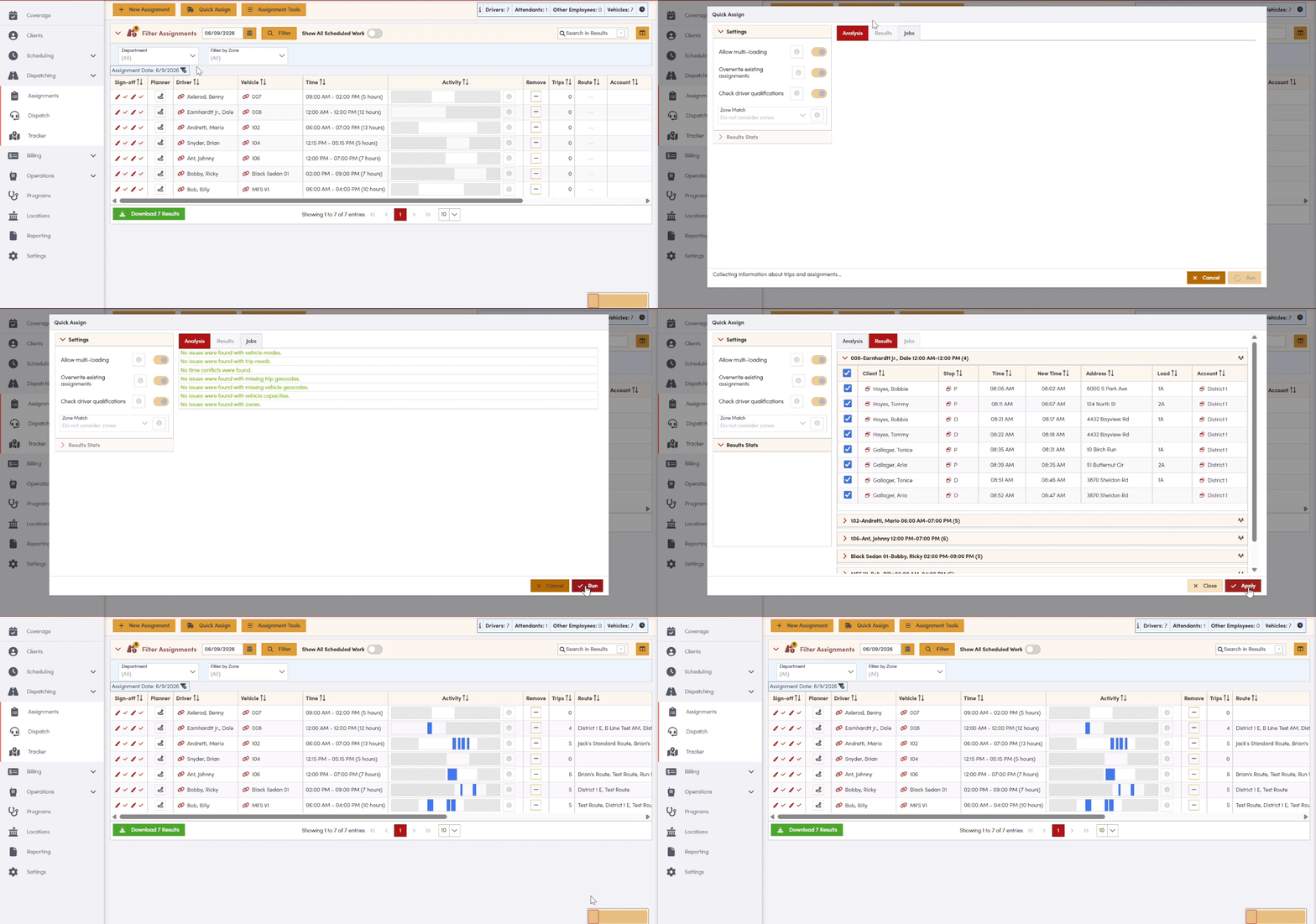
Does scheduling take up hours of your time each day? Auto-Scheduling features like Quick Assign and Route Optimization save you time, money, and stress every single day.
- 01Quick Assign for instant schedule building
- 02Smart route optimization
- 03Broker trips at your fingertips
Dispatching that links your team to every driver
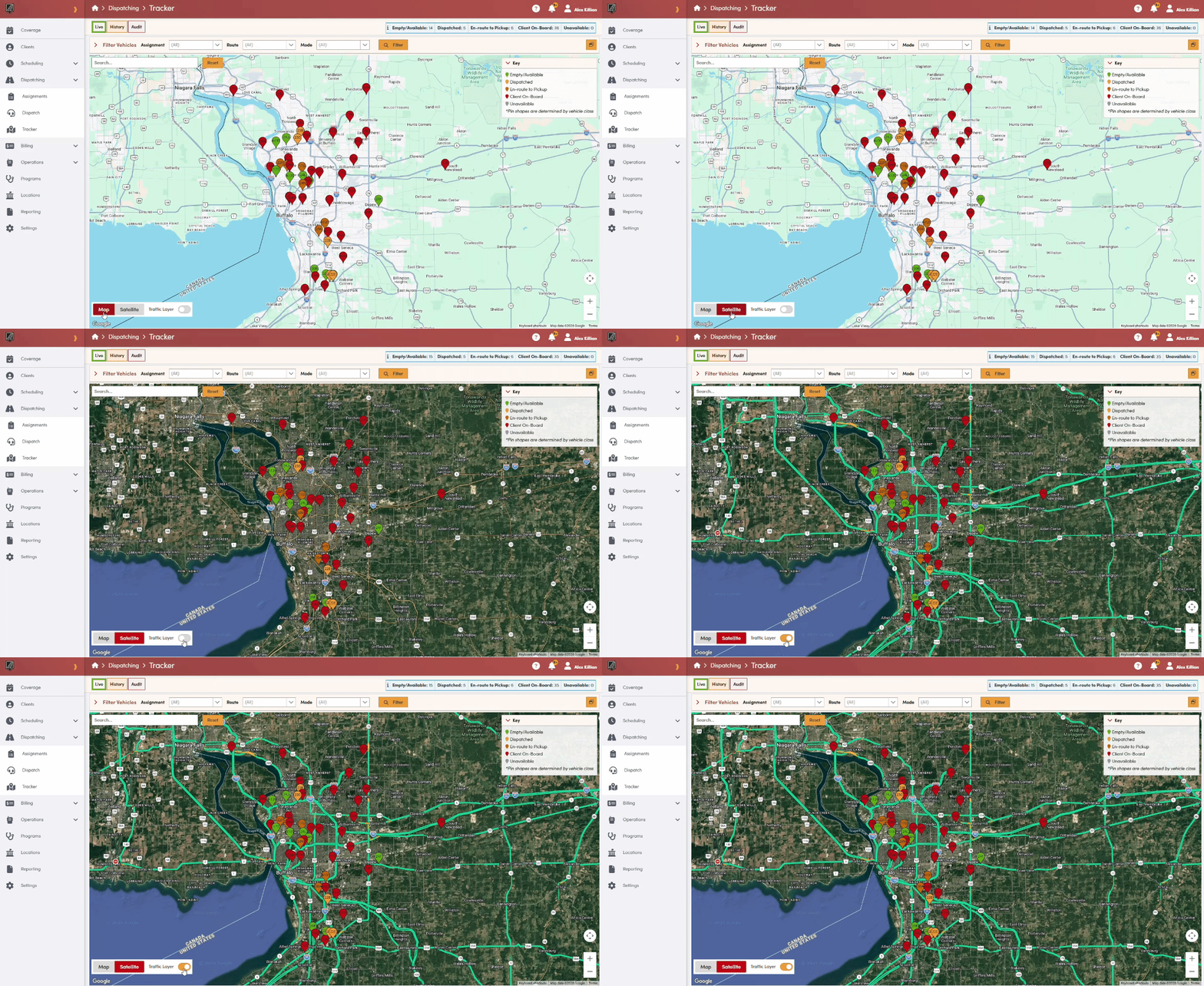
Dispatching with RoutingBox seamlessly links your dispatchers with your drivers on the road. Simple to use, eliminate miscommunication and make the best real-time decisions.
- 01Dynamic Dispatch Interface
- 02Live driver location & status
- 03Virtual Dispatcher
Manage drivers, trips, and passengers in one place
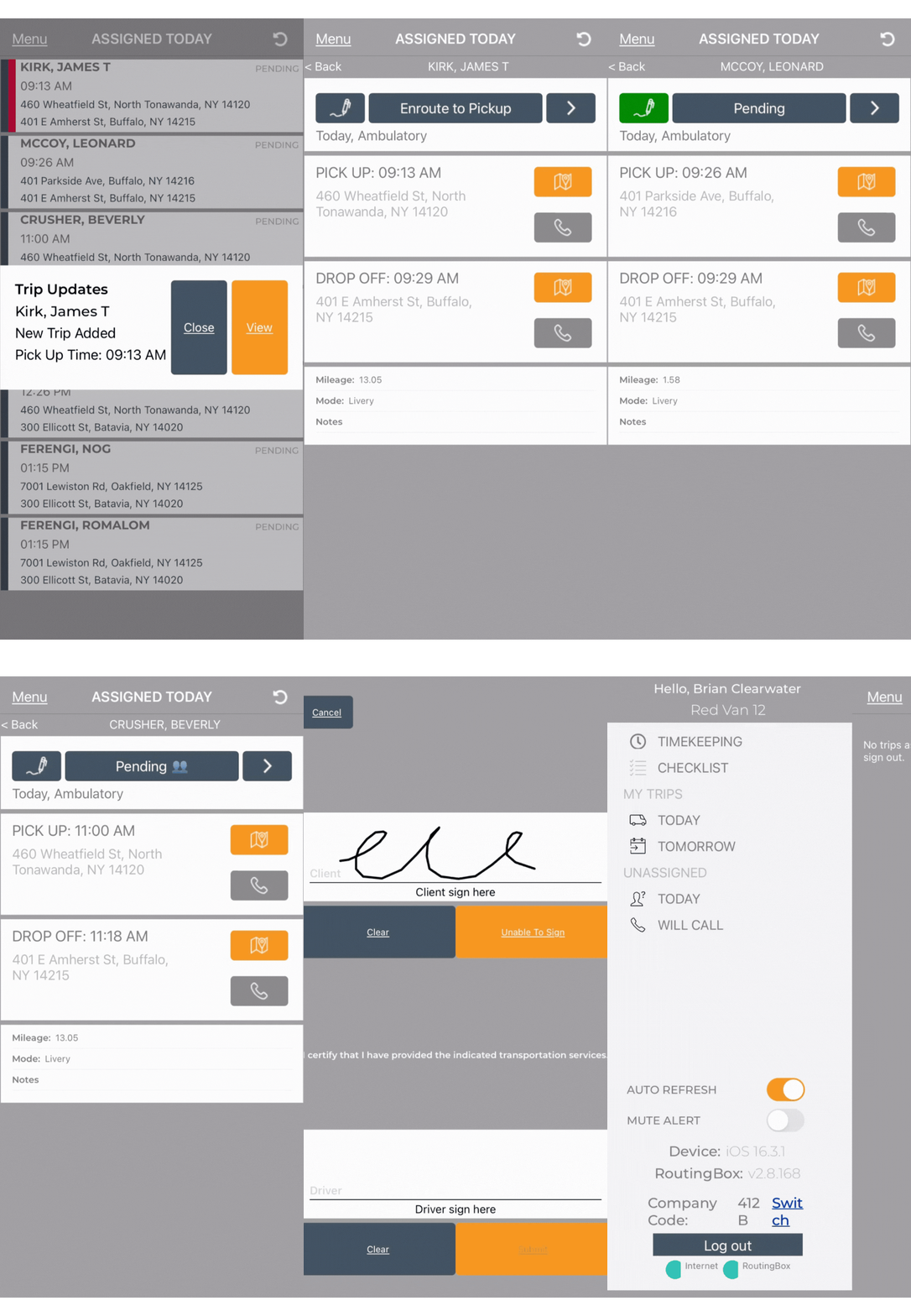
Eliminate miscommunication. With the dedicated driver app, drivers have real-time information from dispatch while dispatch has a live view of driver locations and status.
- 01Dedicated RoutingBox Driver App
- 02Signature & odometer capture
- 03DriverAssist = no missed milestones
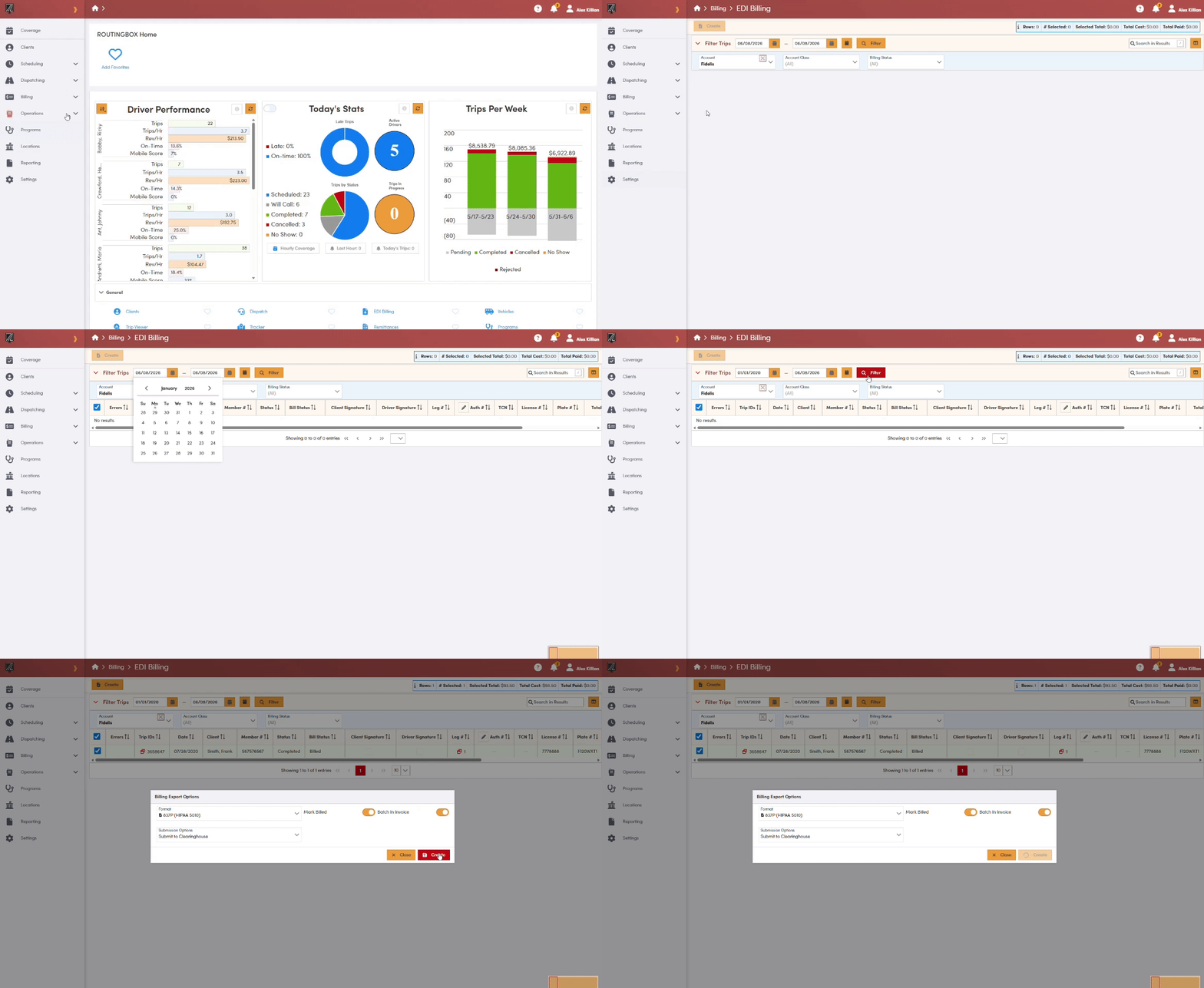
NEMT billing software that closes the loop on every claim
Claim submission, direct broker integrations, and private-pay processing — RoutingBox helps you get paid faster.
- 01Direct broker API integrations
- 02Claim submissions made easy
- 03Customizable reporting
NEMT Software by NEMT Operators
Backed by 15+ years of proven results.
Whether you're starting with a few vehicles or expanding to a larger fleet, RoutingBox has the NEMT software to simplify and streamline your operation.
Why providers choose RoutingBox
Trusted by NEMT providers
from family fleets to nationwide brokers.
"The biggest impact is time savings. We use Modivcare, and the integration with RoutingBox is seamless. When a trip appears in the Modivcare marketplace, I just click “accept,” and it automatically pulls into RoutingBox with all the details—name, address, pay rates, everything. What used to take several minutes per trip now takes less than five minutes total. That adds up fast."

"The biggest thing for us is how user-friendly RoutingBox is. Training new dispatchers, schedulers, and drivers is straightforward. The learning curve is minimal, which saves us time and reduces errors. Day-to-day tasks like adding trips, scheduling rides, and managing clients are quick and intuitive."

"Some prefer to approach dispatching like solving a puzzle, visually organizing trips throughout the day. Others prefer working driver-by-driver. RoutingBox accommodates both styles seamlessly. Every day in transportation is a challenge. But RoutingBox is the one part of the job that actually works the way it should."

"RoutingBox is much better then what we had before. It's easier to manage trips and makes dispatching and vehicle changes simple. Providing us the reporting we need to make better decisions has helped us grow revenue. Our facilities love the portal because it makes booking and tracking trips simple, and overall, RoutingBox has made our entire operation more efficient and easier to manage."

"Before RoutingBox I was doing everything by hand. Now my business is organized. It replaced paper processes, keeps me scheduled, helps me find information quickly, and saves me time when I need reports or records. If I didn't have RoutingBox, my hair would have been pulled out! As a small transportation provider, I honestly don't know how I'd operate without it."

"RoutingBox is easy to learn, easy to use, and whenever we need help, the support team is responsive and accessible. As we've grown our fleet and added employees, RoutingBox has been a reliable partner that helps keep our operation running smoothly."
"RoutingBox has been a tremendous help to our operation, especially when it comes to Medicaid billing. The software automatically populates the information we need, allowing us to download forms and bill much more quickly. Even with team members who had little to no computer experience, RoutingBox has been easy to adopt and has made an impact on our business. We have nothing but positive things to say about it, and we're thankful for the support it provides."
Not just NEMT
If you move people, RoutingBox moves your dispatching forward.
- SolutionComplete NEMT software: scheduling, dispatching, and billing in one platformExplore
- IndustryStudent transportation: simplify SPED routing and reportingExplore
- IndustryParatransit: on-demand transportation built on RoutingBoxExplore
- ResourceBroker directory: find NEMT brokers in your stateOpen directory
FAQs about NEMT software
Ready when you are
Ready for RoutingBox to simplify your operation?
From day one, RoutingBox has been committed to removing real-time dispatching barriers for medical transportation providers. Now, we want to help you.