
The Best NEMT Vehicles: What Actually Makes Sense for Your Fleet
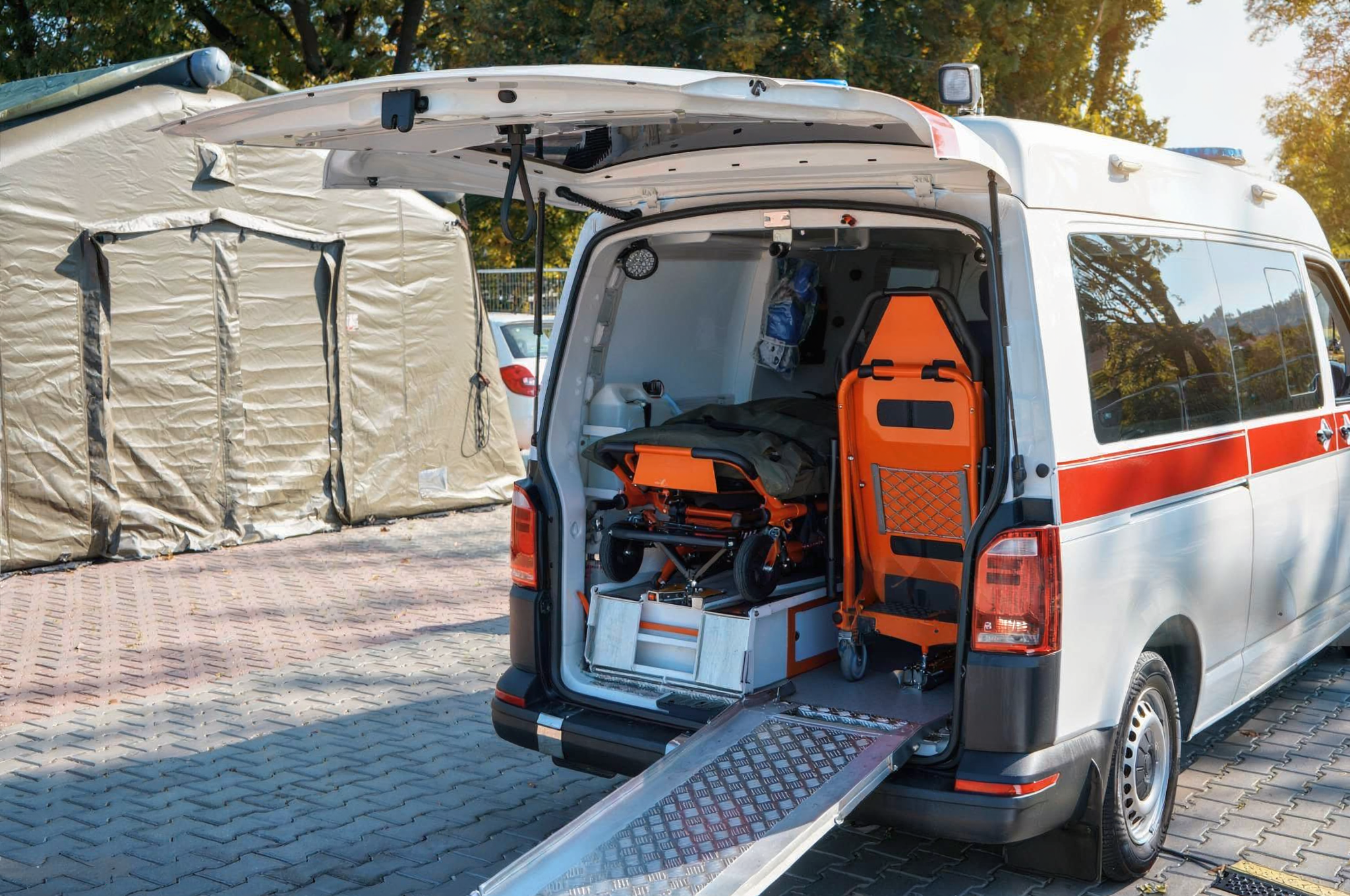
Choosing NEMT vehicles is less about finding one perfect model and more about matching each category of vehicle to the specific type of trip it needs to run. Most fleets end up running a mix, and the best vehicles for NEMT depend heavily on what share of your trips are ambulatory, wheelchair accessible, or stretcher level. This is a practical breakdown by category, with real world cost ranges rather than sticker prices alone.
Ambulatory NEMT vehicles
For passengers who can walk and do not need mobility equipment, a standard sedan is the most fuel efficient option among NEMT vehicles, and fuel economy matters more than it might seem once you are running high daily mileage across a fleet. A vehicle like the Toyota Prius, commonly cited for its high fuel economy and strong reliability record, is a common choice in this category, generally running in the high twenty thousands new or roughly fifteen thousand dollars used. The tradeoff is capability. Ambulatory only NEMT vehicles cannot serve any trip requiring wheelchair or stretcher accommodation, which is why most fleets treat sedans as a complement to accessible vehicles rather than a complete fleet on their own.
Minivans cover the largest share of NEMT trips
Minivans are frequently cited as capable of handling the vast majority, commonly cited around ninety percent, of all NEMT contracts, since a wheelchair accessible minivan can serve both ambulatory and wheelchair trips, making it the most versatile category of NEMT vehicles for most operations. The Toyota Sienna offers reliability and, in newer models, hybrid efficiency along with available all wheel drive, generally running around eighteen thousand dollars used. The Honda Odyssey is frequently cited for its technology and reliable engine, generally running around nineteen thousand dollars used. The Chrysler Pacifica, including its plug in hybrid variant with roughly thirty miles of electric range, offers a domestic option with available all wheel drive. The Kia Carnival tends to be the lower entry price option in this category with strong passenger and cargo space. Older Dodge Grand Caravans, no longer in production since 2020, remain in service across many fleets and are commonly available used for around eleven thousand dollars, though buyers should verify condition carefully given the vehicle's age.
Stretcher vans for the trips that need them
Roughly ten percent of NEMT trip volume across a typical operation requires gurney transport, and this is where full size stretcher vans come in. These vehicles use a heavier ladder frame construction than a minivan, generally have a longer service life as a result, and can typically accommodate up to six wheelchair passengers when not configured for a stretcher. The Ford Transit is frequently cited as the best selling van in this category in the United States, offering multiple wheelbase and roof height configurations along with an all electric E-Transit variant offering roughly a hundred sixty miles of range. The Ram ProMaster offers a modern interior and available driver assistance technology, though it is front wheel drive only and generally has lower fuel economy than competitors in this class. The Chevrolet Express and GMC Savana platforms have a long, well documented reliability history dating back to the mid 1990s, though the underlying design is now dated and fuel economy is on the lower end for the category. The Mercedes-Benz Sprinter is generally the most expensive platform in this class, but is frequently cited for reliability and available all wheel drive, making it a common choice for operations prioritizing long term durability over upfront cost.
What actually drives the decision
The starting point for choosing NEMT vehicles is not which model has the best reviews, it is what your actual trip mix looks like. An operation running mostly ambulatory trips with occasional wheelchair transport is generally better served by a fleet weighted toward accessible minivans than by adding sedans that cannot flex to cover accessible trips when needed. An operation with a meaningful share of gurney level trips needs at least some dedicated stretcher vans in the fleet, since a minivan cannot substitute for one regardless of how the rest of the fleet is configured. Fuel economy matters more the higher your daily mileage runs, which is part of why hybrid options in both the sedan and minivan categories have become more common in fleet purchasing decisions over the past several years.
Buying used versus new
Used NEMT vehicles bring the upfront cost down significantly across every category, but they come with more variability in remaining service life and, for accessible vehicles specifically, the condition of the wheelchair lift or ramp system, which is worth having inspected separately from the vehicle's general mechanical condition. New vehicles cost considerably more upfront but come with full warranty coverage and, for accessible vehicles, a conversion that has not seen prior wear. Many fleets end up running a mix, buying used for ambulatory and standard accessible vehicles while leaning toward new for stretcher vans, which see harder use and carry a higher cost if a major mechanical issue takes one out of service.
Frequently asked questions
What are the best vehicles for NEMT overall? There is no single best vehicle, since the right choice depends on trip type. Wheelchair accessible minivans like the Toyota Sienna or Honda Odyssey cover the widest range of trip types for most fleets, while stretcher vans like the Ford Transit are necessary for the smaller share of trips requiring gurney transport.
What percentage of NEMT trips need a wheelchair accessible vehicle? Wheelchair accessible minivans are frequently cited as capable of handling around ninety percent of all NEMT trip volume, since they serve both ambulatory and wheelchair passengers, making them the most versatile single category of NEMT vehicles.
Is a sedan a good NEMT vehicle? A sedan works well for ambulatory only trips and offers the best fuel economy of any NEMT vehicle category, but it cannot serve wheelchair or stretcher trips, which limits its usefulness as anything beyond a complement to accessible vehicles in a fleet.
How much does a stretcher van cost for NEMT? Full size stretcher vans generally range from the high thirty thousands to over fifty thousand dollars new depending on the platform, with used options available at meaningfully lower prices, though condition and mileage vary significantly.
Should an NEMT fleet buy new or used vehicles? Many fleets run a mix, buying used for ambulatory and standard wheelchair accessible vehicles to lower upfront cost, while leaning toward new for stretcher vans, which see harder use and carry a higher cost if a major issue takes one out of service.
Whatever mix of NEMT vehicles your fleet runs, matching the right vehicle to the right trip depends on accurate mobility and equipment information at scheduling. If you want to see how that works in practice, you can schedule a demo at routingbox.com.
Ready to upgrade your NEMT software?
Talk to our Team of Experts and let's make RoutingBox part of your story as well.