
NEMT Insurance Cost: A Realistic Breakdown for New and Established Operators
NEMT insurance cost is one of the largest and least predictable line items in a transportation budget, and it is also one of the hardest to compare across operators, since two providers running similar vehicles in different states can see genuinely different premiums. This is a breakdown of what typically drives NEMT insurance cost, what a realistic range looks like based on current industry reporting, and where new operators tend to get caught off guard.
What actually makes up NEMT insurance cost
NEMT insurance cost is not one policy, it is a stack of several. Commercial auto liability is the core requirement, and most states require at least one million dollars in coverage per occurrence, though some require more, particularly where a managed care organization contract sets its own higher minimum. General liability, typically one million dollars per occurrence with a two million dollar aggregate, covers non auto incidents. Many operators also carry non owned and hired auto coverage if drivers ever use personal vehicles, uninsured and underinsured motorist protection where required by the state, and workers compensation, which is legally required once you have employees rather than independent contractors. Operations transporting individuals who may be considered a vulnerable population often carry a sexual abuse and molestation endorsement as well, which is a smaller line item but one worth budgeting for specifically.
What a realistic NEMT insurance cost range looks like
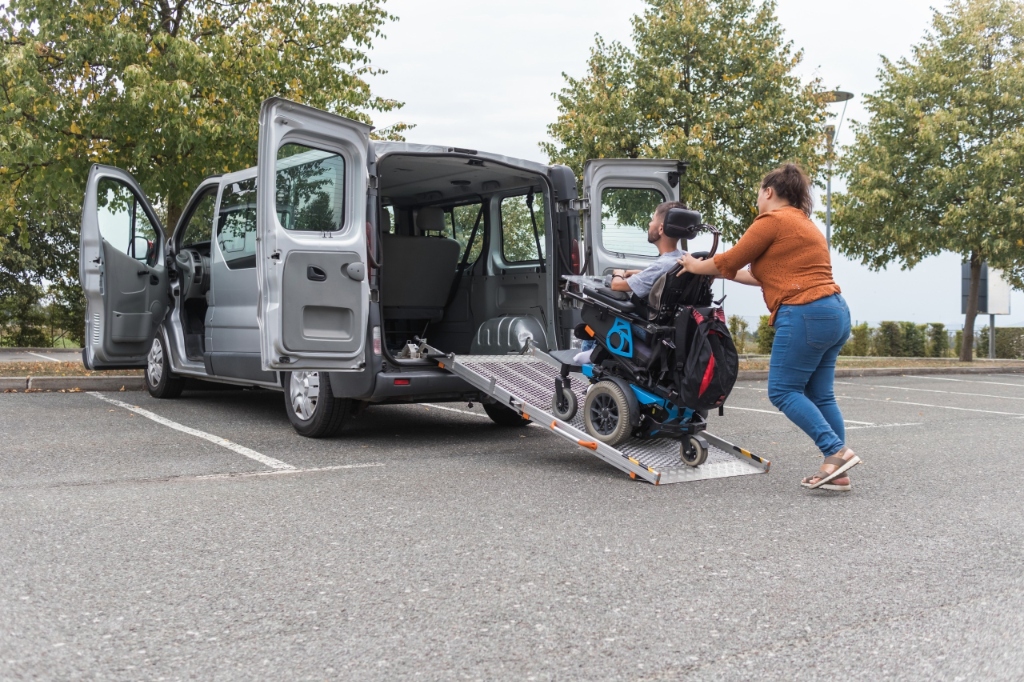
Based on current industry reporting, annual NEMT insurance cost per vehicle for an established operator with a clean claims history commonly falls somewhere between eight thousand and twenty two thousand dollars, depending heavily on vehicle type, state, and coverage limits. New operators typically pay more, since insurers price a business without an operating history as higher risk. A new operator running standard sedans might see annual non emergency medical transportation insurance cost in the range of six thousand five hundred to ten thousand dollars per vehicle, while a wheelchair accessible van, which costs more to insure due to its equipment and higher claim severity if an incident occurs, often runs closer to nine thousand to fourteen thousand dollars annually for a new operator. On a monthly basis, that generally works out to several hundred dollars for a single ambulatory vehicle and closer to seven hundred fifty to one thousand dollars a month for a single new WAV, before any multi vehicle discount applies.
These figures move around enough by state, insurer, and individual risk profile that they are best treated as a planning range rather than a quote, and getting an actual quote from a carrier that specializes in NEMT is the only way to know your real number.
What drives NEMT insurance cost up or down
New business status is one of the biggest factors, with new operators commonly seeing a premium surcharge in the range of twenty five to forty percent above what an established operator with the same vehicles would pay, simply because there is no claims history yet to price against. Fleet size works in the opposite direction, since insurers frequently offer per unit discounts as a fleet grows, which is part of why average cost for NEMT insurance tends to look meaningfully different for a five vehicle fleet than for a single vehicle operator. Vehicle type matters directly, wheelchair accessible vans and stretcher vans typically cost more to insure than a standard ambulatory sedan, reflecting both the value of the equipment on board and the nature of the passengers being transported. Annual mileage matters too, since a vehicle logging fifty thousand to eighty thousand miles a year represents more road exposure than one running a lighter schedule. Loss history is one of the more controllable factors over time. A clean thirty six month claims record is generally what qualifies an operator for preferred pricing, which is one of the clearest reasons a strong safety and dispatching process pays for itself in more than just avoided accidents.
Ways operators actually lower their NEMT insurance cost
A few levers show up consistently in how operators manage nemt insurance average cost over time. Installing telematics, meaning devices or software that track driving behavior, can unlock a meaningful discount, commonly cited in the range of eight to fifteen percent, since it gives an insurer real data rather than an estimate of risk. Paying annually instead of financing monthly avoids a financing surcharge that commonly runs five to twelve percent, which adds up over a full fleet. Working with a broker who specifically places NEMT risk, rather than a general commercial auto broker, is frequently cited as producing meaningfully better pricing at renewal, since a specialist broker knows which carriers actually want NEMT business and which do not. None of these replace the fundamental driver of NEMT insurance cost, which is a clean loss history over time, but they are the most direct levers available in the short term.
Budgeting for NEMT insurance cost as a new operator
Because new operators pay a real premium over established ones, it is worth building that surcharge into a startup budget explicitly rather than assuming your first year cost will match an established competitor's rate. A three vehicle startup, for example, commonly sees combined monthly insurance overhead somewhere in the three thousand to five thousand dollar range in its first year, which is a significant recurring cost well before revenue has ramped up. Getting an actual quote early in the planning process, rather than after vehicles are already purchased, gives you a real number to plan around instead of a rough estimate.
Frequently asked questions
What is the average cost for NEMT insurance per vehicle? Based on current industry reporting, established operators commonly pay between eight thousand and twenty two thousand dollars annually per vehicle, while new operators typically pay more, often in the six thousand five hundred to fourteen thousand dollar range depending on vehicle type. Actual NEMT insurance cost varies by state, insurer, and claims history.
Why is non emergency medical transportation insurance cost higher for new operators? Insurers price new businesses as higher risk because there is no claims history to evaluate. This typically shows up as a twenty five to forty percent surcharge over what an established operator with a clean record would pay for comparable coverage.
Does NEMT insurance cost more for wheelchair accessible vehicles? Yes. Wheelchair accessible vans and stretcher vans generally cost more to insure than standard ambulatory sedans, reflecting both the value of onboard equipment and the nature of the passengers being transported.
What insurance coverage makes up NEMT insurance cost? The core components are commercial auto liability, general liability, and workers compensation for employees, with non owned and hired auto coverage, uninsured motorist protection, and a sexual abuse and molestation endorsement added depending on the operation and state requirements.
How can I lower my NEMT insurance average cost over time? A clean claims history over thirty six months is the biggest long term factor. In the shorter term, telematics installation, paying annually instead of financing, and working with an NEMT insurance specialist broker are the levers most commonly cited for meaningful savings.
Insurance is one of the costs software cannot reduce directly, but the operational side, fewer accidents, cleaner trip records, and accurate documentation, is where the right NEMT software actually helps your loss history over time. If you want to talk through what that looks like for your fleet, you can schedule a demo at routingbox.com.
Ready to upgrade your NEMT software?
Talk to our Team of Experts and let's make RoutingBox part of your story as well.