
How to Start a Non-Emergency Medical Transportation Business in Florida
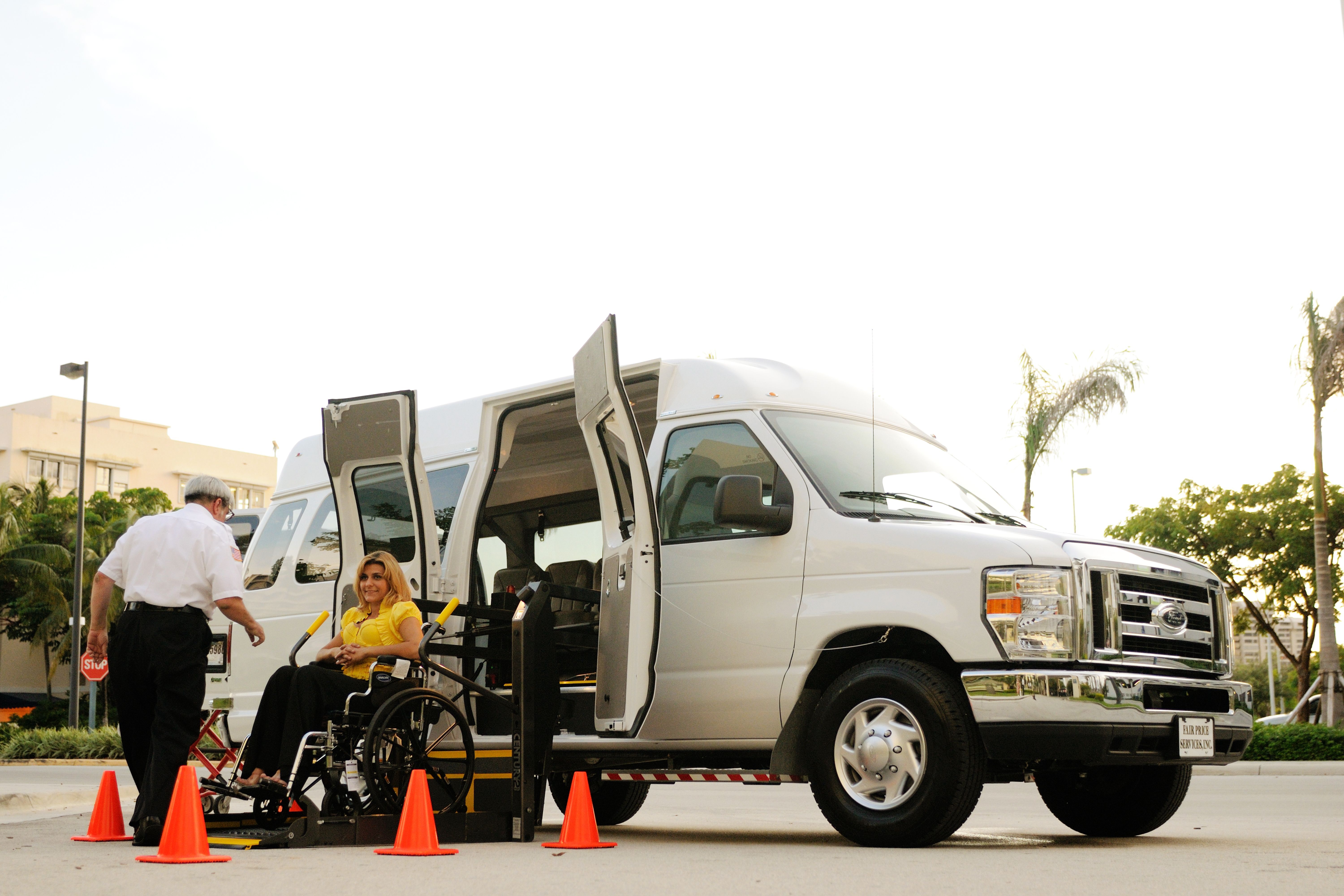
People researching how to start a non medical transportation business in Florida are usually looking for the same thing: a clear, accurate sequence of what Florida actually requires, rather than a generic national checklist. Florida's process for a non-emergency medical transportation business, commonly abbreviated NEMT, involves state level business registration, Medicaid enrollment through the Agency for Health Care Administration, and in many cases a county level permit that catches new operators off guard. This is a walk through of what actually applies, based on Florida's own requirements.
The short answer for starting a non-emergency medical transportation business in Florida
At minimum, a Florida NEMT operation needs an active Florida LLC or corporation, a federal employer identification number, a Type 2 National Provider Identifier, enrollment through Florida's Agency for Health Care Administration, or AHCA, and in most counties, a local transportation permit on top of the state level pieces. Skipping the county step is one of the most common reasons a new operator's launch timeline slips well past what they originally planned.
Business registration basics
Registering your Florida LLC or corporation with the state, filing Articles of Organization, and obtaining a federal EIN from the IRS are the standard first steps for any Florida business, and a non-emergency medical transportation business in Florida is no exception. You will also need a Type 2 National Provider Identifier, which is specific to organizational healthcare providers rather than individuals, since AHCA Medicaid enrollment requires it.
Enrolling through AHCA
Florida's Medicaid enrollment process for a non-emergency medical transportation business is administered through AHCA, and it does not carry an enrollment fee. Realistic processing time from a complete application runs roughly thirty to sixty days, and the required documentation typically includes a certificate of insurance, vehicle inspection records, and driver background screening clearance, so gathering these ahead of submission rather than during review tends to move the process along faster. Non-emergency transportation is delivered in Florida primarily through Medicaid managed care plans, both Managed Medical Assistance and Long-Term Care plans, rather than through one single statewide broker, which is worth understanding before you assume a single point of contact covers the whole state.
The county level requirement that catches new operators off guard
This is the detail that most generic guides on how to start a non medical transportation business in Florida leave out, and it is one of the more consequential ones. Many Florida counties require a Certificate of Public Convenience and Necessity, commonly abbreviated COPCN, on top of everything at the state level, and the process varies significantly by county. Miami-Dade County, for example, requires a full COPCN with a public hearing process that commonly runs three to six months, which is a meaningfully longer timeline than the state level AHCA enrollment alone. Before you register your business or commit to a launch date, verifying the specific requirement in your target county, rather than assuming state level compliance is sufficient everywhere in Florida, can save real time.
Driver requirements
Florida requires NEMT drivers to be at least 21 years old with a valid Florida driver's license. Drivers must clear a Level 2 AHCA background screening, which is fingerprint based and conducted through the Florida Department of Law Enforcement, and maintain a clean motor vehicle record, generally meaning a three to five year history with no more than two or three moving violations. CPR and First Aid certification at the American Heart Association Heartsaver standard is standard practice, and many major brokers additionally require PASS or CTS passenger assistance certification before a driver can be credentialed to run their trips. Ongoing monthly screening against the OIG exclusion list is also standard for all staff, not just drivers, and is worth building into an operation's regular compliance routine from the start rather than treating it as a one time check.
Insurance requirements
A non-emergency medical transportation business in Florida typically carries commercial auto liability at one million dollars combined single limit, generally running five thousand to eight thousand five hundred dollars annually per vehicle, along with general liability at one million dollars per occurrence and two million dollars aggregate. Many operators also carry a sexual abuse and molestation endorsement, typically two hundred to six hundred dollars annually, given the vulnerable population many NEMT trips serve. Combined, total annual insurance cost per vehicle commonly falls in the seven thousand to thirteen thousand dollar range, which is worth budgeting for specifically rather than estimating from a general commercial auto quote.
The brokers you will likely work with
Florida's Medicaid managed care structure means broker relationships matter as much as AHCA enrollment itself for actually generating trip volume. MTM Health manages transportation for UnitedHealthcare Community Plan of Florida, with credentialing that commonly takes six to ten weeks. ModivCare operates broadly across the state. Alivi Transportation has a strong focus on Medicare Advantage trips specifically. A realistic plan for a non-emergency medical transportation business in Florida usually involves pursuing more than one of these relationships rather than assuming AHCA enrollment alone will generate trip volume on its own.
Putting the timeline together
Between AHCA's thirty to sixty day Medicaid enrollment window, county level COPCN processes that can run several months in places like Miami-Dade, and broker credentialing timelines of six to ten weeks or more running in parallel, a realistic total timeline for starting a non-emergency medical transportation business in Florida is often measured in months rather than weeks. Starting the county level and broker level steps as early as possible, rather than waiting for AHCA approval to begin them, is one of the more reliable ways to compress an otherwise long runway.
Frequently asked questions
How do I start a non medical transportation business in Florida? Anyone typing how to start a non medical transportation business in Florida into a search bar is really asking about NEMT specifically. You register a Florida LLC or corporation, obtain an EIN and Type 2 NPI, enroll through AHCA for Medicaid, and in most counties secure a local Certificate of Public Convenience and Necessity, all before pursuing broker relationships like MTM Health or ModivCare to generate consistent trip volume.
Does Florida require a special permit beyond AHCA enrollment? In many counties, yes. A Certificate of Public Convenience and Necessity is commonly required at the county level, and the process varies significantly, with Miami-Dade County requiring a full public hearing process that can take three to six months.
How long does AHCA Medicaid enrollment take for a Florida NEMT business? Realistic processing time is roughly thirty to sixty days from a complete application, though county level permitting and broker credentialing, which run separately, often take longer and should be planned for in parallel rather than after AHCA approval.
What insurance does a non-emergency medical transportation business in Florida need? At minimum, one million dollar combined single limit commercial auto liability, one million dollar per occurrence and two million dollar aggregate general liability, and typically a sexual abuse and molestation endorsement, with total annual cost per vehicle commonly in the seven thousand to thirteen thousand dollar range.
Which brokers should a new Florida NEMT operator contact? MTM Health, which manages UnitedHealthcare Community Plan of Florida transportation, ModivCare, which operates statewide, and Alivi Transportation, which focuses on Medicare Advantage trips, are the three most commonly referenced broker relationships for new Florida operators to pursue.
Related reading
- How Much Does It Cost to Start an NEMT Business? A Realistic Breakdown
- NEMT Insurance Cost: A Realistic Breakdown for New and Established Operators
Once broker relationships and county permitting are in motion, the operational question becomes running trips across multiple brokers without turning each one into a separate manual process. If you want to see how that works in practice, you can schedule a demo at routingbox.com.
Ready to upgrade your NEMT software?
Talk to our Team of Experts and let's make RoutingBox part of your story as well.